Material & Immaterial

Notes from the literature. A side project by Josh Tong.

Page 2


The well-designed stoves of the Swiss
augsburg-1550.jpg

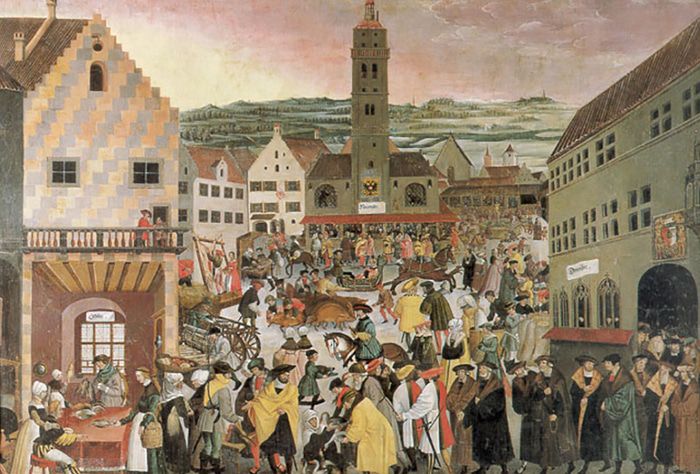
Everything engaged Montaigne’s attention, or that of his secretary, who was writing at his direction. At an inn in Lindau, a cage full of birds ran along one entire wall of the dining room, with alleyways and brass wires so that the birds could hop from one end of the room to the other. In Augsburg, they met a group taking two ostriches on leashes as presents to the duke of Saxony. Montaigne also noticed, in that city, that “they dust their glassware with a hair-duster attached to the end of a stick.” And he was intrigued by the city’s multiple remote-controlled gates, which closed off chambers in turn like locks in a canal, so that aggressors could not force their way through. . . .

Great art seemed to impress Montaigne less, or at least he says little about it, only occasionally commenting on such works as the “very beautiful and excellent statues by Michelangelo” in Florence. The E...
Continue reading →


How to encounter

jenny-odell-exhibition-recology-sf-2015.jpg

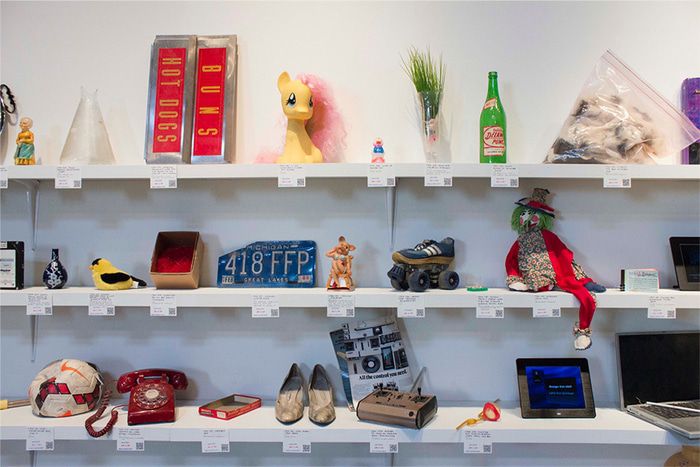
To me, the only habit worth “designing for” is the habit of questioning one’s habitual ways of seeing, and that is what artists, writers, and musicians help us to do…. It’s in the realm of poetics that we learn how to encounter. Significantly, these encounters are not optimized to “empower” us by making us happier or more productive. In fact, they may actually completely unsettle the priorities of the productive self and even the boundaries between self and other. Rather than providing us with drop-down menus, they confront us with serious questions, the answering of which may change us irreversibly.

—Jenny Odell, How to Do Nothing: Resisting the Attention Economy

Photo: From the Bureau of Suspended Objects at Recology SF in 2015

Continue reading →


Hatred and fear

crete-theophilos-papadopoulos-900.jpg

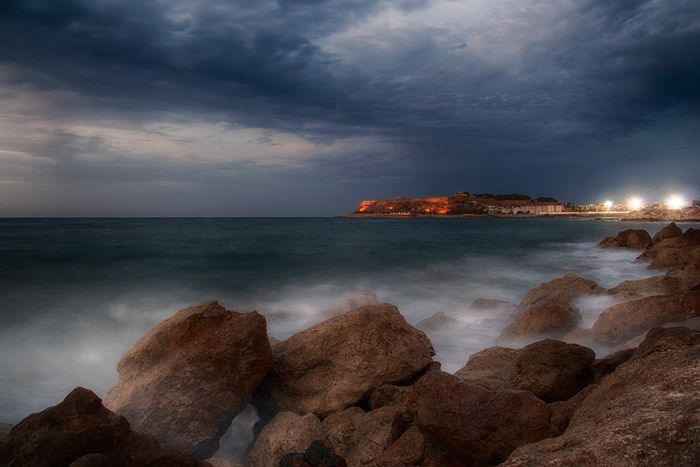
“I think about it a lot. About hatred, I mean, and fear. I think about it and wonder which comes first. Is hatred born out of fear, or is fear born of hatred? And I wonder what will happen to us, what tomorrow will bring, where all this is headed. I wonder what kind of country we’ll be living in, us and those who come after us. A country that will exist because it hates and fears? A country that will exist in order to hate and fear? And I want to believe in something. I need something to believe in, you know?”

—Christos Ikonomou, Good Will Come from the Sea (translated by Karen Emmerich)

Photo by Theophilos Papadopoulos, CC BY-NC-ND 2.0

Continue reading →


A certain rage and fierceness

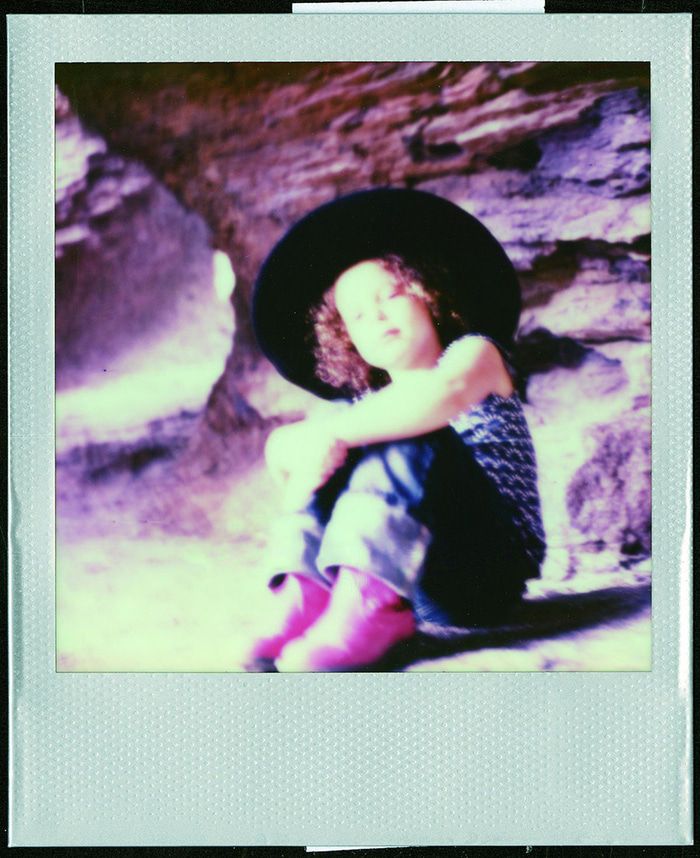
polaroid-lost-children-archiv-900.jpg

The only thing that parents can really give their children are little knowledges: this is how you cut your own nails, this is the temperature of a real hug, this is how you untangle the knots in your hair, this is how I love you. And what children give their parents, in return, is something less tangible but at the same time larger and more lasting, something like a drive to embrace life fully and understand it, on their behalf, so they can try to explain it to them, pass it down to them “with acceptance and without rancor,” as James Baldwin once wrote, but also with a certain rage and fierceness. Children force parents to go out looking for a specific pulse, a gaze, a rhythm, the right way of telling the story, knowing that stories don’t fix anything or save anyone but maybe make the world both more complex and more tolerable. And sometimes, just sometimes, more beautiful. Stories are...

Continue reading →


Wilder

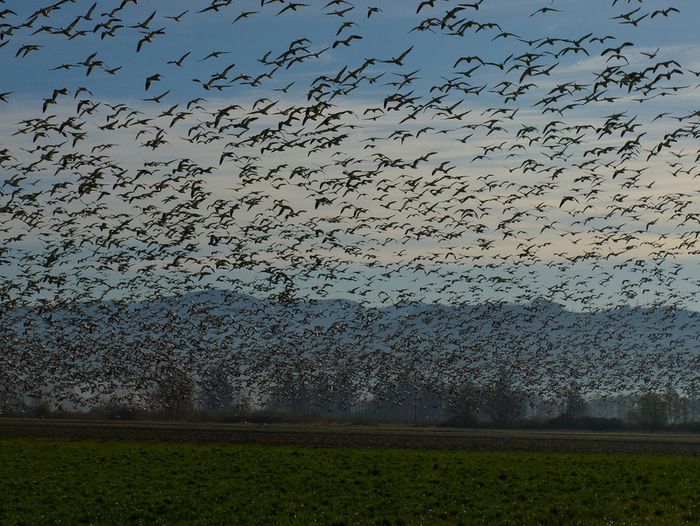
flock-900.jpg

In the first month of the year
           birds curdled the air.

From our windows we watched them
           clench and billow, their wings beating
           so low to the ground that seeds rose
           from their furrows.

When our ears began to ache from the pressure,
           we sent out our augurs.

A great fire, they said,
           is blowing from the east.

That explained the fevers, the mercury
           that broke the levees of our mouths,
           the apples that dimpled and rotted
           in our orchards, dropping through the leaves
           like heart-sized hailstones.

—From “Advent” in Wilder by Claire Wahmanholm

Photo by Eric Frommer, CC BY-SA 2.0, cropped

Continue reading →


Lighthouse

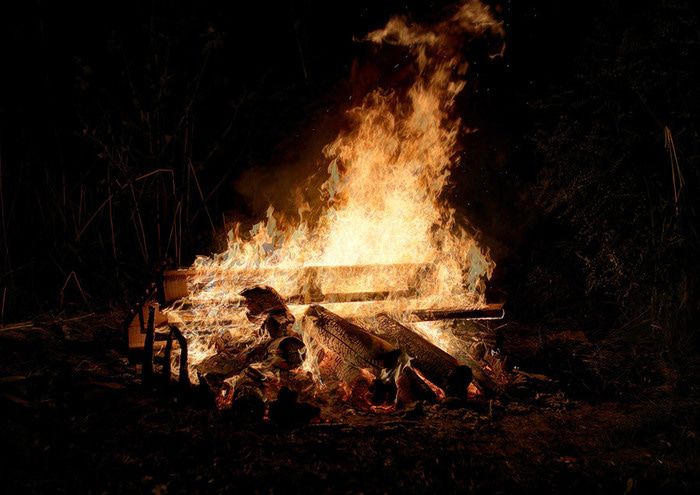
fire.jpg

We will sit with him here, in the strange, insect-silent dark. We will sit until we are sleepy, and then we will remain until our legs hurt, until Junior falls asleep in Randall’s arms, his weak neck lolling off Randall’s elbow. Randall will watch Junior and Big Henry will watch me and I will watch Skeetah, and Skeetah will watch none of us. He will watch the dark, the ruined houses, the muddy appliances, the tops of the trees that surround us whose leaves are dying for lack of roots. He will feed the fire so it will blaze bright as a lighthouse. He will listen for the beat of her tail, the padding of her feet in mud. He will look into the future and see her emerge into the circle of his fire, beaten dirty by the hurricane so she doesn’t gleam anymore, so she is the color of his teeth, of the white of his eyes, of the bone bounded by his blood, dull but alive, alive, alive.

—Jesmyn...

Continue reading →


Business as usual

vineland.jpg

Tig shook her head. “It’s so, so scary. It’s going to be fire and rain, Mom. Storms we can’t deal with, so many people homeless. Not just homeless but placeless. Cities go underwater and then what? You can’t shelter in place anymore when there isn’t a place.

Willa tucked her hands between her knees and declined to believe these things.

“The Middle East and North Africa are almost out of water. Asia’s underwater. Syria is dystopian, Somalia, Bangladesh, dystopian. Everybody’s getting weather that never happened before. Melting permafrost means we’ve got like, a minute to turn this mess around, or else it’s going to stop us. . . . I didn’t mean to hurt your feelings, Mom,” she said quietly. “You and Dad did your best. But all the rules have changed and it’s hard to watch people keep carrying on just the same, like it’s business as usual.”

All the rules. Really?”

Tig nodded almost...

Continue reading →


Lost time

czapski-prison-notebook-proust.jpg

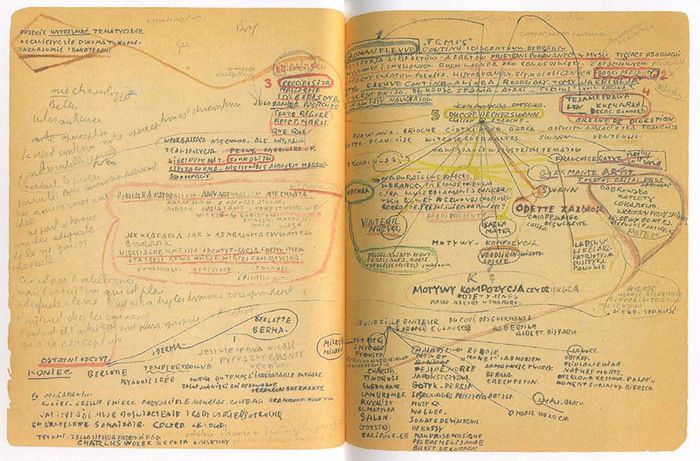
Who, from the outside, would ever conceive of Proust’s stories of the supremely privileged as a subject suitable for an audience of famished, lice-ridden, frostbitten prisoners of war huddled together in bombed-out buildings?

The lectures Czapski gave were unscripted. In preparation, he mapped out a cosmology of Proust… [creating] schematic drawings in a series of prison notebooks. Intended to be used as aide-mémoire, the sheets he covered with information did not represent any kind of text to be spoken; each page was a carefully constructed nesting ground from which ideas might take flight….

The very words temps perdu, lost time, must have resonated with heightened significance. Czapski’s lectures on À la recherche du temps perdu may have reinforced the poignancy of his audience’s sense of loss, but the subtext was a rallying cry for making the most of the time at hand. Presenting...

Continue reading →


So sorry

kate-clark-little-girl-900.jpg

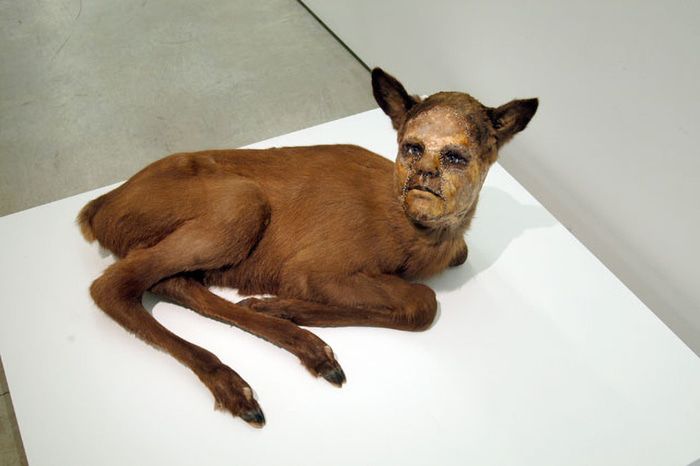
The new therapist specializes in trauma counseling. You have only ever spoken on the phone. Her house has a side gate that leads to a back entrance she uses for patients. You walk down a path bordered on both sides with deer grass and rosemary to the gate, which turns out to be locked.

At the front door the bell is a small round disc that you press firmly. When the door finally opens, the woman standing there yells, at the top of her lungs, Get away from my house! What are you doing in my yard?

It’s as if a wounded Doberman pinscher or a German shepherd has gained the power of speech. And though you back up a few steps, you manage to tell her you have an appointment. You have an appointment? she spits back. Then she pauses. Everything pauses. Oh, she says, followed by, oh, yes, that’s right. I am sorry.

I am so sorry, so, so sorry.

—Claudia Rankine, Citizen: An American Lyric

...

Continue reading →


As the aqueducts went dry

aqueduct-colorado-river-900.jpg

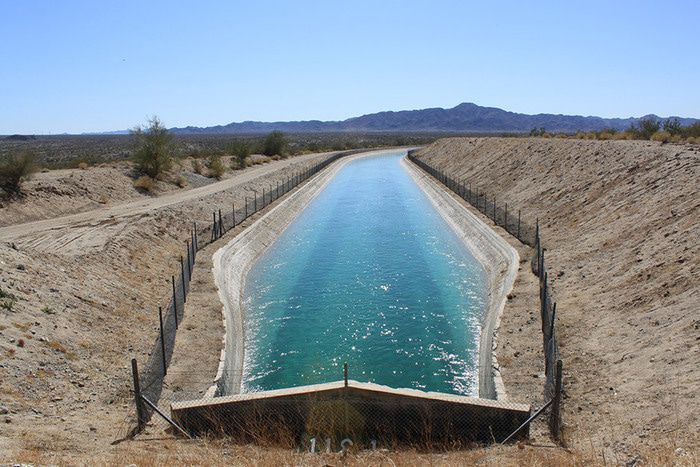
Ray had the blazing prophet eyes of John Muir, and like John Muir, war had left him nerve-shaken and lean as a crow. The ocean had restored him. . . . Instead of going home to the heartland he liberated a surfboard from someone’s backyard and made his home in the curl. He had a mind to surf through all crises and shortages and conflicts past and present. He would make a vacuum of the coast, nothing could happen there, even the things that had happened before he was born. He was surfing the day they pronounced the Colorado dead and he was surfing the day it was dammed, a hundred years before. When some omnipotent current ferried him northward toward LA, he allowed it. He surfed as that city’s aqueducts went dry. He surfed as she built new aqueducts, wider aqueducts, deeper aqueducts, aqueducts stretching to the watersheds of Idaho, Washington, Montana, aqueducts veining the West, half a...

Continue reading →