Material & Immaterial

Notes from the literature. A side project by Josh Tong.

Page 4


Letting someone change things
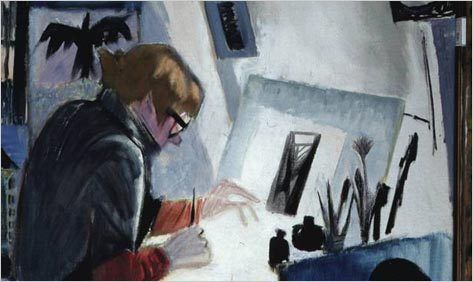
fair-play.jpg

Tove Jansson’s Fair Play is a slim novel about a writer and an artist who live and work alongside each other for many years.

Jansson depicts the pair of characters in the midst of their day-to-day work and leisure. Mari (the writer) and Jonna (the visual artist) are foils whose personalities and interests complement yet also challenge each other. This tension offers an understated commentary on the spoken and the unspoken, the artistic and the quotidian, “yours” and “ours”—a dynamic that complicates but enriches the characters’ lives.

Here is an excerpt from Ali Smith’s introduction:

This novel is about creativity from the very start—about how you take a day, the same as all the other old one-after-the-other days, and make it really new and fresh, no matter what age you are, what life you’re in. It features an immediate challenge to vision—it is very much about how to shake off old...
Continue reading →


New Orleans

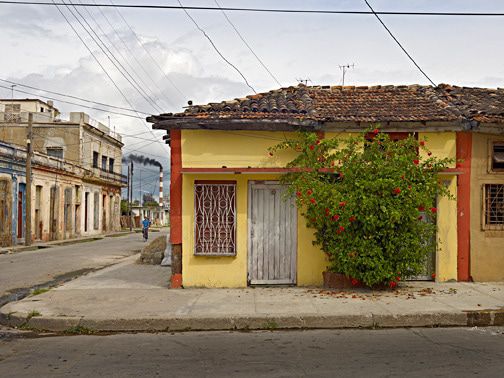
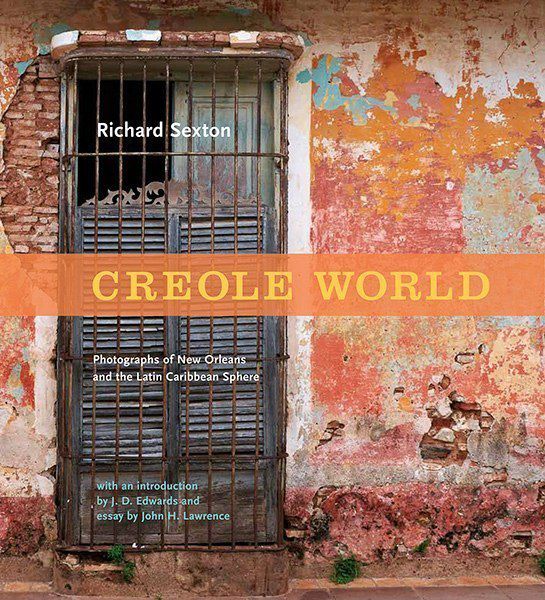
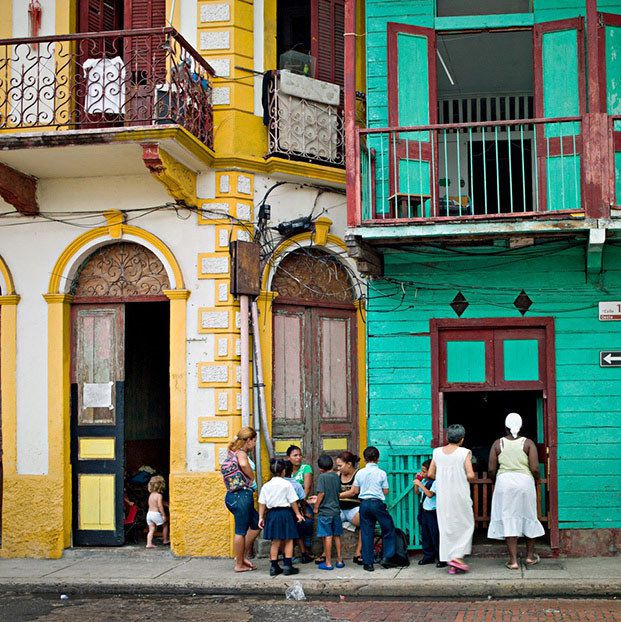
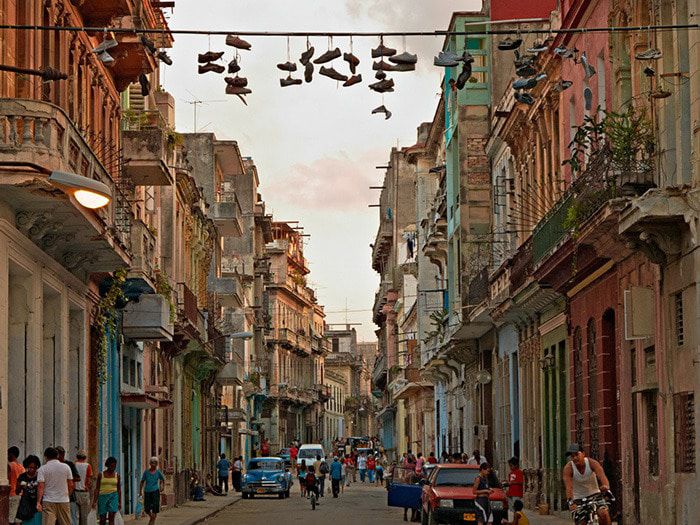
At times, New Orleans reminded me of Haiti, Jamaica, and Argentina. Then I stumbled into this exhibit about Richard Sexton’s new book Creole World: Photography of New Orleans and the Latin Caribbean Sphere.

In more than 200 photographs from Argentina, Bolivia, Cuba, Ecuador, Haiti, Panama, and New Orleans, Sexton connects the dots between Creole architecture, culture, and history:

This isn’t a book about home decorating—or pretty architecture, or even about city planning, although I think it addresses those interests…. It’s my attempt to sum up an outlook—and a culture—that feels Creole to me. I’m drawn to places that accept accidents and decay, that put the past to fresh uses, that proceed by trial and error and keep things that work even if they don’t fit the rules.

—Richard Sexton in the Times-Picayune

creole-architecture-1.jpg

creole-architecture-2.jpg

creole-architecture-3.jpg

creole-architecture-4.jpg

Continue reading →


Find your beach

find-your-beach.jpg

The greatest thing about Manhattan is the worst thing about Manhattan: self-actualization. Here you will be free to stretch yourself to your limit, to find the beach that is yours alone. But sooner or later you will be sitting on that beach wondering what comes next. I can see my own beach ahead now, as the children grow, as the practical limits fade; I see afresh the huge privilege of my position; it reclarifies itself. Under the protection of a university I live on one of the most privileged strips of built-up beach in the world, among people who believe they have no limits and who push me, by their very proximity, into the same useful delusion, now and then.

—Zadie Smith, “Find Your Beach”

Continue reading →


Trap streets

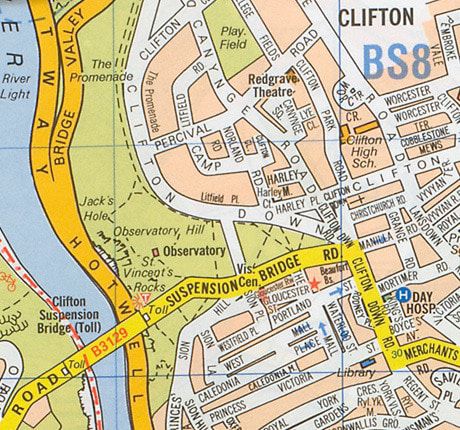
Creating a map is expensive. Some publishers put deliberate errors in their maps to thwart copyists:

Such interventions are known colloquially as “trap streets.”… Any geographic alteration can be used, from the fabrication of a remote nonexistent town to the mislabeling of the elevation of a mountain range.

—From “Trap Streets” in Cabinet magazine

trap-street-1.jpg

trap-street-2.jpg

View →


A kind of victory

“Tomorrow you may be shot in the street by a policeman because you haven’t understood Guaraní, or a man may knife you in a cantina because you can’t speak Spanish and he thinks you are acting in a superior way. Next week, when we have our Dakota, perhaps it will crash with you over Argentina…. My dear Henry, if you live with us, you won’t be edging day by day across to any last wall. The wall will find you of its own accord without your help, and every day you live will seem to you a kind of victory. ‘I was too sharp for it that time,’ you will say, when night comes, and afterwards you’ll sleep well.”

—Graham Greene, Travels with My Aunt

View →