One day you’ll know
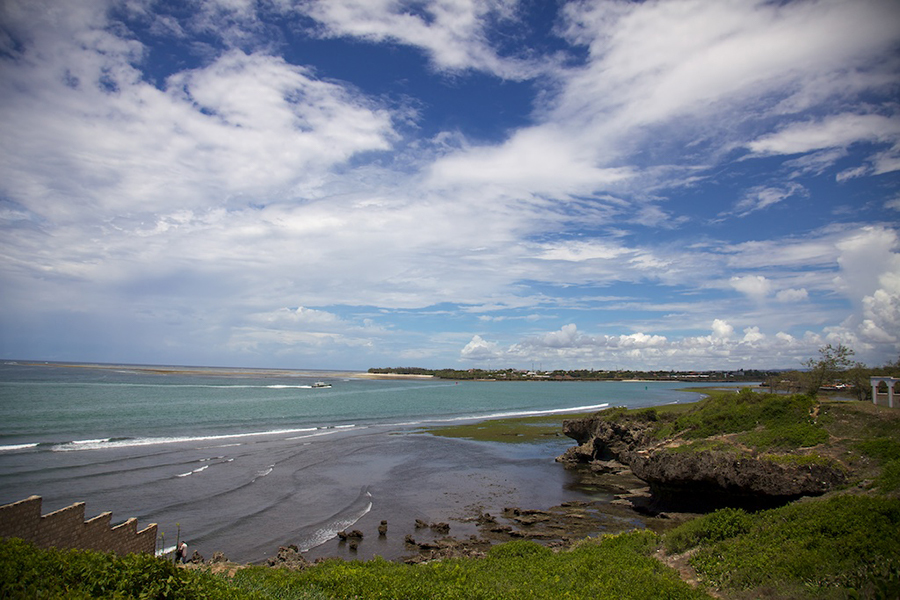
Muhidin, spurred on by Ayaana’s hunger for knowledge, prepared for their lessons in advance and rediscovered things for himself: basic classical mathematics, geography, history, poetry, astronomy, as mediated in Kiswahili, English, sailor Portuguese, Arabic, old Persian, and some Gujarati. Ayaana always wanted to know about the sea. Every day she asked, “How you read water?” One Friday, she picked up an atlas to, again, find out where she was in the world. On the map she looked at, there was no place marker for Pate Island. No color brown or color green to suggest her own existence within the sea. So she wanted to know about places that could be rendered invisible.
Muhidin told her that the best and biggest mountains of the earth lived under the sea, unseen. Ayaana contemplated this and her eyes grew round with insight. . . .
Music amplified what they could not find in books. Ecumenical music lessons. Algerian raï, Bangla, kora. the symphonies of Gholam-Reza Minbashian and Mehdi Hosseini, and every sample of taarah they could get their hands on. No contemporary outpourings, which, Muhidin told Ayaana, were the residues of the disordered screechings of Ibilisi. . . . Midafternoon, one Tuesday, Muhidin reread to her the poetry of Hafiz. First in broken Farsi, followed by his Kiswahili translation: “‘O heart, if only once you experience the light of purity, / Like a laughing candle, you can abandon the life you live in your head . . .’”
“What it is saying?” she asked.
“One day you’ll know. Today just listen.”
—Yvonne Adhiambo Owuor, The Dragonfly Sea
Photo: Coast near Mombasa, Kenya, CC BY-NC 2.0